
Functional 3d printed parts
Explore our range of functional 3D printing services. We design and manufacture custom parts to solve specific problems, replace broken components, and create practical solutions for everyday and industrial applications.
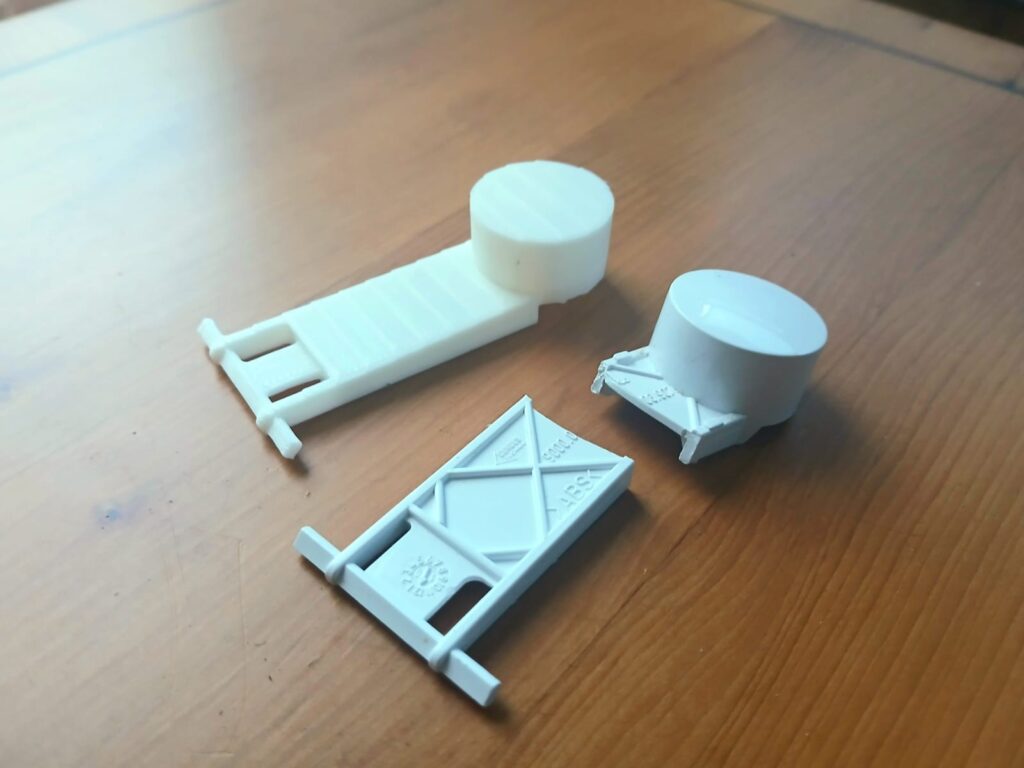
Replace broken Parts
Broken plastic part? Don’t replace the whole product, replace the part. We can redesign and 3D print replacement parts, often stronger than the original. Simply send us clear photos of the broken part, where it fits, and some rough dimensions, and we’ll provide you with an initial quote. If you decide to proceed, we’ll need the original part so we can take accurate measurements and ensure the best possible fit. Don’t let planned obsolescence cost you money, repair it with 3D printing.
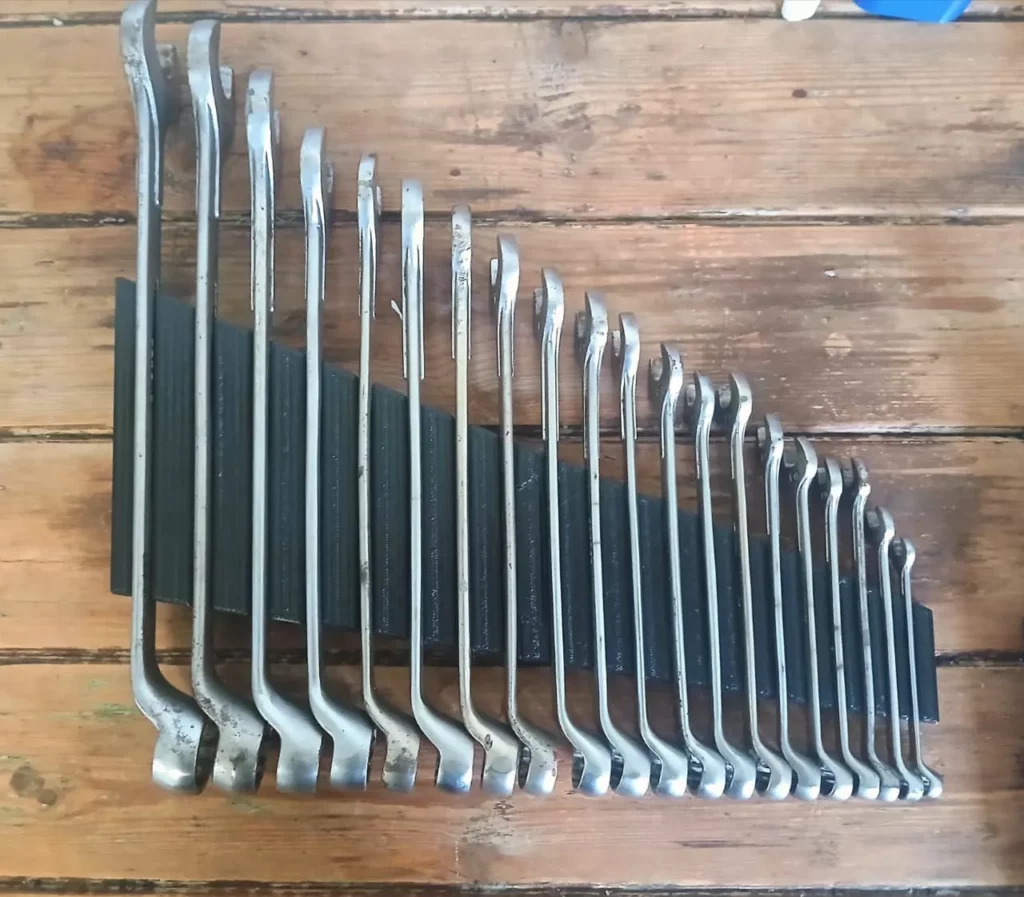
Purpose Built Parts
Have a problem that needs solving? Tell us what you need, and we’ll work with you to design a custom solution. Whether it’s a custom holder, protective cover, structural component, replacement part, or another functional product, we can design and 3D print a durable part tailored to your specific requirements.

print from file
Designed your own solution to a problem? Simply send us your 3D model, and we’ll professionally manufacture it using engineering grade materials. Whether it’s a replacement part, a custom tool, a machine component, or a functional prototype, we can produce durable, accurate parts built for real world use. We offer a range of engineering materials to suit different strength, wear resistance, and environmental requirements, helping ensure your part performs exactly as intended.
Our capabilities and limitations
3D printing can produce highly detailed, accurate, and functional parts, making it an ideal manufacturing method for many applications. Most broken plastic components can be repaired or replaced, including load-bearing and functional parts such as gears, handles, covers, brackets, housings, and components with threaded inserts.
We print using a wide range of engineering materials to suit different applications. For high-strength, durable components, PA12 Nylon is an excellent choice thanks to its outstanding strength, wear resistance, UV resistance, and chemical resistance. For flexible parts such as seals, gaskets, grips, and protective covers, TPU provides excellent flexibility and durability
Limitations of FDM 3D Printing
While FDM 3D printing is extremely versatile, there are some limitations to consider.
✓ High strength parts
✓ Engineering grade materials
✓ UV resistant options
✓ Flexible components
✓ Chemical resistant plastics
✓ Fluorescent & glow in the dark materials
View a detailed breakdown of our 3D printing capabilities, build volumes, materials, tolerances, and technical specifications.
Transparent Parts
Although transparent filaments are available, FDM printing cannot produce perfectly clear parts. The layer-by-layer manufacturing process traps tiny air gaps between layers, causing light to scatter. The result is a translucent part that allows light to pass through but is not optically clear like glass or injection-moulded acrylic.
Waterproof Parts
FDM 3D printed parts are not inherently waterproof. Microscopic gaps between printed layers can allow water to slowly seep through over time. Depending on the geometry and print settings, some parts may naturally be watertight, but this cannot be guaranteed. When a completely waterproof part is required, we can apply post-processing techniques such as acetone vapour smoothing for ABS prints or resin coatings to seal the surface and eliminate leakage.
UV Resistance
If a part is intended for outdoor use, UV resistance is essential. PETG is suitable for occasional outdoor use, while ASA and PA12 Nylon are better choices for long term outdoor exposure. The main difference between ABS and ASA is UV resistance although they have very similar mechanical properties, ASA is specifically designed to withstand prolonged exposure to sunlight.
Food Grade Parts
FDM 3D printing is not food safe. While it can be made food safe with specialised food-safe coatings and post-processing, standard FDM prints are not suitable for direct food contact.
There are two reasons for this. First, the layer lines created during the printing process form tiny grooves where food particles, moisture, and bacteria can become trapped, making the part difficult to clean thoroughly. Second, the plastic itself. While some base plastics, such as PLA, are food safe, 3D printing filaments often contain additives, colourants, and other ingredients that improve printability but may not be certified for food contact.
Heat Resistance
Different materials handle heat very differently some plastics like PLA can deform very easily with heat at 50°C to 60°C while others like ABS, ASA and PA12 can withstand temperatures above 90°C.
Chemical Resistance
Different materials have different chemical resistance. Some plastics are affected by oils, fuels, solvents, or cleaning chemicals, while others, such as PA12 Nylon, offer excellent chemical resistance.